

Author name: NealC

Director of Advertising Catholic Star Herald

Marketing Blueprint Blog

The Role of Frequency: Why One Ad Never Works

One of the most common statements small business owners make is: “We tried advertising once. It didn’t work.” In almost every case, the issue is not the channel. It is not the design. It is not even the message. The issue is frequency. Most marketing fails because it stops too soon. The Science of Repetition Human decision-making is not immediate. It is layered. Before someone buys, their brain moves through predictable stages: A single advertisement rarely moves someone through all five stages. Research across advertising industries consistently shows that consumers need multiple exposures before they: This principle has been observed for decades in both print and digital campaigns. Modern analytics confirm what traditional media has long understood: repetition drives recall. Why the Brain Needs Repetition The brain is designed to filter out noise. Every day, consumers are exposed to thousands of messages. To conserve energy, the brain ignores what feels unfamiliar or irrelevant. Repetition changes that. When your brand appears consistently: Familiarity lowers perceived risk. Lower risk increases the likelihood of action. This is known as the mere exposure effect—a psychological principle showing that people develop a preference for things simply because they see them repeatedly. Industry Insight: The Myth of the “One Great Ad” Small businesses often believe they must create one powerful, breakthrough advertisement. In reality, professional marketers focus less on a single ad and more on: Large brands do not advertise once. They advertise continuously. Not because they need immediate sales, but because they are maintaining mental availability. Mental availability means: When someone needs your service, your name comes to mind first. Frequency builds mental availability. Why Small Businesses Stop Too Soon 1. Budget Anxiety Owners fear ongoing investment without immediate visible results. However, stopping and starting campaigns resets momentum. Marketing works like physical fitness. Inconsistent effort produces inconsistent results. 2. Misunderstanding Timing Some services are not needed daily. For example: Customers may see your ad months before they need you. If you disappear, you lose position in their memory. 3. Unrealistic Expectations Many expect immediate leads from a single exposure. But most advertising works gradually, building a cumulative effect. Professional marketers measure trends over time—not single moments. How Much Frequency Is Enough? While there is no universal number, industry benchmarks suggest: The goal is not saturation. The goal is sustainable visibility. The Difference Between Annoying and Effective Frequency Frequency becomes annoying when: Frequency becomes effective when: Consistency prevents fatigue. Practical Application for Small Business Owners Step 1: Commit to a Minimum Time Frame Plan campaigns in 3–6 month increments, not one-off ads. This builds momentum. Step 2: Maintain Message Stability Do not change: Step 3: Layer Channels Use multiple touchpoints: This increases exposure without increasing aggression. Step 4: Measure Patterns, Not Single Events Track: Look for upward direction—not instant spikes. Step 5: Stay Visible During Quiet Seasons When business slows, many owners cut marketing. This is often when visibility matters most. Maintaining presence during slower periods builds an advantage when demand rises. Frequency and Trust Work Together In Week 7, we discussed trust as the currency of marketing. Without frequency, trust struggles to form. Final Perspective Marketing is not a single event. It is not a promotion. It is not a temporary push. It is an ongoing process of staying present in the minds of the people you serve. If you advertise once, you create a moment. If you advertise consistently, you build a brand. And brands grow businesses. Next Week in Marketing Blueprint Why Your Website Is More Important Than You Think. Your website is not a digital brochure. It is your conversion engine.

Marketing Blueprint Blog

Trust Is the Currency of Marketing

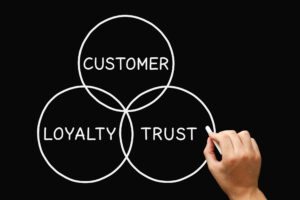
Foundations People do not buy the lowest price. They do not buy the loudest ad. They do not buy the most creative slogan. They buy the option that feels safest. That feeling—safety, certainty, confidence—is trust. In marketing, trust is the invisible force that turns attention into action. Without it, even the best advertising struggles. With it, even modest marketing efforts perform better. Why Trust Drives Buying Decisions Every purchase carries risk. Customers subconsciously ask: When trust is high, perceived risk is low. When trust is low, hesitation increases. This is why trusted brands: Trust reduces friction in decision-making. The Psychology of Brand Trust Trust forms through three psychological drivers: 1. Familiarity The human brain prefers what it recognizes. Repeated exposure increases comfort. When customers see your brand consistently, it feels established—even if they’ve never purchased from you. Familiar brands feel safer. 2. Consistency If your messaging, visuals, tone, or promises change frequently, the brain registers instability. Consistency signals reliability. Reliable businesses feel dependable. Dependable businesses earn trust. 3. Authority Authority reduces uncertainty. This can come from: Authority communicates, “We know what we’re doing.” When Trust Is Strong During the Buying Process When trust exists: They move forward with confidence. Strong trust often means the decision feels obvious. When Trust Is Lost Trust is easier to lose than to build. It weakens when: • Messaging Changes Constantly If your tone, offer, or identity shifts every few months, customers feel instability. Stability builds brands. Instability weakens them. • Promises Are Unclear or Exaggerated Overpromising erodes credibility. Today’s buyers are skeptical. They respond better to clarity than hype. • Advertising Feels Disconnected If your website says one thing, your social media says another, and your print materials look unrelated, it creates doubt. Professional alignment signals seriousness. • You Disappear From Visibility Out of sight often means out of mind. If customers do not see you consistently, trust fades—even if your service is excellent. Silence weakens brand presence. • Negative Experiences Go Unaddressed Unanswered reviews. Poor communication. Inconsistent follow-through. Trust is not just marketing—it is operational. A Practical Plan to Build Trust in Your Marketing Trust does not happen accidentally. It requires intention. Below is a clear, structured framework for small business owners. Step 1: Clarify Your Promise Define in one sentence: What outcome do we reliably deliver? Keep it realistic. Keep it specific. Clarity builds credibility. Step 2: Align All Touchpoints Review: Do they look and sound unified? Alignment creates professional perception. Step 3: Increase Visibility Frequency Trust grows with repetition. Create a schedule: Do not disappear between campaigns. Step 4: Demonstrate Authority Instead of only promoting offers: Authority builds confidence. Step 5: Showcase Proof Include: Evidence reduces uncertainty. Step 6: Deliver Consistently Marketing builds expectation. Operations must fulfill it. Trust compounds when experience matches messaging. The Long-Term Advantage of Trust When trust is established: Trust is not a short-term tactic. It is a long-term strategic asset. Final Thought Marketing should reduce uncertainty—not create it. When your brand feels: Customers move forward with confidence. And confidence is what turns interest into action. Next Week in Marketing Blueprint The Role of Frequency: Why Repetition Isn’t Annoying—It’s Necessary

Marketing Blueprint Blog

What Branding Really Means (and Why It Matters More Than Any Single Ad)

Branding transcends mere visual elements like logos and taglines; it embodies the expectations and perceptions of customers based on their experiences. It involves consistency and familiarity, essential for reducing decision-making risks. For small businesses, effective branding builds local recognition and trust, emphasizing meaningful interactions over one-time advertisements.

Marketing Blueprint Blog

Marketing Channels Explained: Where Your Message Should Live (and Why)

Target mindset: “Should I be on Facebook, Google, print, email…?” What a Channel Is A marketing channel is simply: Where your message is delivered Examples: No Channel Works Alone Channels work best when they support each other. Print builds credibility. Digital builds frequency. Email builds relationships. Choosing the Right Channels The correct channel depends on: The Biggest Mistake Jumping from channel to channel without measuring results. The Scientific Approach We test. We measure. We adjust. Next week: We begin measuring success—because marketing without measurement is gambling.

Marketing Blueprint Blog

How Attention Works: The Psychology Behind Effective Advertising

Target mindset: “People just don’t pay attention anymore” Attention Is Scarce—but Predictable People see thousands of marketing messages per day. They pay attention to: The 3-Second Rule You have about three seconds to: Why Repetition Matters Science shows that familiarity builds trust. This is why brands repeat messages—not because they’re lazy, but because it works. Consistency Beats Creativity Creative ads without consistency fail. Consistent messaging builds recognition. Key Takeaway Marketing is not about being louder. It’s about being clearer and more consistent. Next week: We connect psychology with channels—where your message actually lives.

Scroll to Top